Match Report
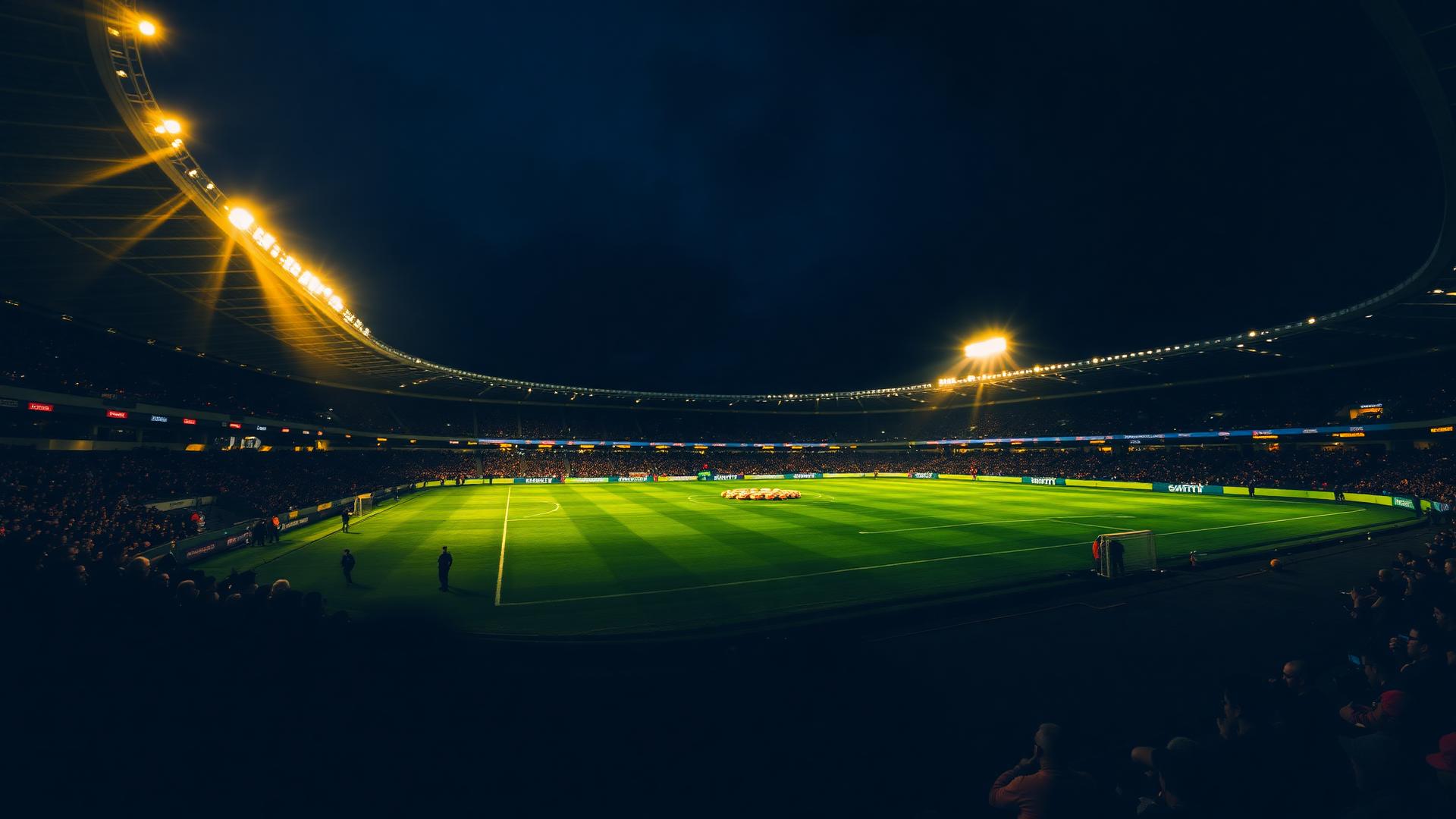
Inside the World Cup Final: A Tactical Breakdown of a Modern Classic
A line-by-line tactical reading of the most-watched final in a generation, from the opening press to the decisive penalty shootout.
There are finals that grip you with goals and finals that grip you with structure. This one delivered both. From the opening exchange, the tactical chessboard was as compelling as the scoreboard, with two coaches who had spent the entire tournament refining the small details — the height of their press, the body shape of their full-backs, the timing of a midfield rotation — finally meeting in the only fixture that mattered.
The opening fifteen minutes were a study in pressing triggers. The favourites set a mid-block built around their two number eights, refusing to chase the ball into wide areas and inviting the opponent's full-backs to commit. Whenever the centre-back lifted his head to find a forward pass, the nearest striker jumped, and the entire shape compressed forward in a coordinated wave. It was patient, almost cynical, and devastatingly effective in the early phase.
Their opponents responded with a wrinkle that had not appeared in any of their group-stage matches: a false full-back. The right-back tucked into midfield whenever his side built from the back, creating a temporary three-against-two against the press and freeing the winger to attack one-versus-one in space. It was the kind of preparation that hints at hours of video work and a coaching staff who trust their players to execute under pressure.
The opening goal arrived from exactly that pattern. A short goal-kick, a controlled bounce pass into the inverted full-back, a slipped ball into the half-space, and suddenly the winger was running at an isolated defender with the entire stadium on its feet. The finish was crisp, the build-up was patient, and the message was unmistakable: this final was going to be decided by the team that solved the other's first plan fastest.
The reply, when it came, was equally constructed. A short corner routine produced a deliberate overload on the near post, two runners pulling defenders away from the penalty spot, and a quietly devastating header from a midfielder who had not scored a competitive international goal in two years. The roar that followed was not only for the goal but for the sense that the contest had been reset, and that whatever happened next would have to be earned.
Through the second half the game became more open, partly through fatigue and partly through deliberate substitutions. Both managers introduced a second striker before the seventy-fifth minute, accepting that the controlled phase had ended and that the next forty minutes would be decided on transitions. Goalkeepers became central characters, with three saves between them that will be replayed in every retrospective montage of the tournament.
Extra time was the territory of the experienced. The teams' two oldest outfield players, one a holding midfielder and the other a centre-back, dragged their squads through the additional half-hour with a series of tactical fouls, calm clearances and short instructions to younger teammates who looked, for the first time, genuinely tired. Neither team produced a clear-cut chance, and the contest moved inevitably to penalties.
The shootout itself was almost an anticlimax in its perfection. Nine consecutive penalties were converted with the kind of cold conviction that comes only from rehearsal. The tenth, struck low and saved, decided everything. The winning team collapsed into a pile at the centre circle; the losing team stood in scattered silence on the halfway line, captured in photographs that will define a generation.
What this final will be remembered for, beyond the scoreline, is the tactical maturity on display. Two managers willing to alter their plans in real time, two squads willing to execute under unbearable pressure, and a contest that rewarded preparation over improvisation. It was modern football at its highest pitch, and it leaves the rest of the world a clear standard to match.
About the writer
Marco Reinhardt writes about international football for Pitchline. Their work covers tactical analysis, player development pathways and the cultural side of the global game.
More from Pitchline
 Match Report
May 26, 2026 · 7 min read
Premier League Title Race Recap: How City Held On Through the Spring
Arsenal pushed, Liverpool surged, and Manchester City survived a season that asked harder questions than any of their previous title wins.
 Match Report
Apr 4, 2026 · 8 min read
European Qualifiers Recap: Surprises, Survivors and the Sixteen Heading to North America
From a heartbreak in Reykjavík to a resurgence in Vienna, the road to the 2026 World Cup produced more upheaval than any qualifying cycle in recent memory.
 Match Report
Feb 22, 2026 · 7 min read
AFCON 2025 Recap: Côte d'Ivoire's Successor and the Continent's New Pecking Order
Senegal lifted the trophy in Morocco. Beneath the headline, the tournament rewired several assumptions about African football.