Team Analysis
Host Nation, Heavy Pressure: Inside the Knockout Rounds
Playing every match in front of a partisan home crowd is supposed to be an advantage. We look at how it has actually played out.
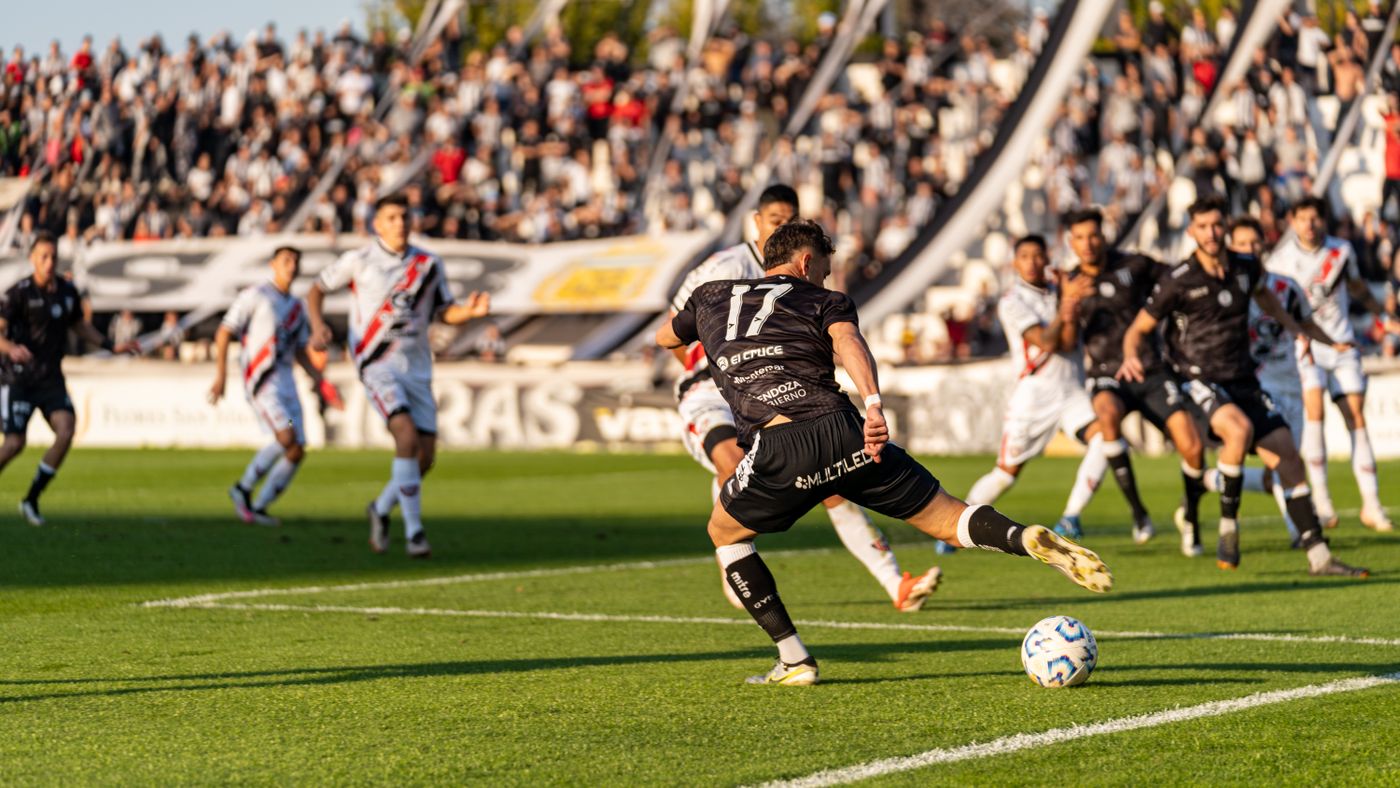
Hosting a World Cup is one of those experiences that looks entirely positive from the outside and turns out to be considerably more complicated from the inside. The home nation enters every match as the favourite by default, and the federation has spent years preparing its squad for exactly this run, but the pressure that comes with playing in front of one hundred thousand supporters who expect victory is genuinely difficult to manage.
The group stage went broadly to plan. The hosts won two of their three matches with relative comfort, drew the third after rotating heavily in the final group fixture, and emerged with the kind of unbeaten record that builds belief without exposing anyone to real stress. The crowd was loud, the players looked composed, and the early commentary suggested a smooth path to the latter stages.
The round of sixteen exposed the first cracks. A nominally weaker opponent set up in a deep 5-4-1 block, conceded possession willingly and held the hosts to a single goal across ninety minutes. The home crowd, which had spent the group stage cheering attacking moves, spent the second half audibly nervous, and several of the home players visibly tightened in possession during the closing stages.
The coaching staff have responded with a deliberate effort to reframe the narrative for their players. Press conferences have emphasised process over result, and the captain has used his platform to acknowledge the pressure rather than pretend it does not exist. There is a useful psychological principle at work here: naming a feeling reduces its grip, and the squad has been trained to do exactly that.
Tactically the side has shifted slightly. The full-backs are pushing higher in possession to provide additional attacking width, and one of the two number eights has been given license to operate as a third attacker behind the striker. The intent is to create more chances against deep blocks, and the early evidence suggests it is working, with expected-goals numbers in the quarter-final rising significantly from the round of sixteen.
The next match presents a different challenge. The opponent is a team that prefers to keep the ball rather than concede it, and the contest is likely to be played at a much higher tempo than anything the hosts have faced so far. This is, in some senses, the matchup their structure is best suited to, and the coaching staff have privately expressed cautious optimism about their chances.
Off the pitch the country has settled into a familiar rhythm of nervous hope. Major streets fall silent during matches, and the celebrations after the round-of-sixteen win produced television footage that travelled around the world. The pressure on the players from a population this engaged is real, but it can also become a resource if the squad continues to handle it the way it has done in the past week.
Whatever happens from here, the host nation's tournament will be defined by the way it handles the moments that ask the most of it. The squad has the technical and tactical tools to reach the final, and the medical staff have managed minutes carefully enough to keep the key players available for the closing stages. The remaining question is psychological, and that is the one nobody can answer until the moments themselves arrive.
About the writer
Marco Reinhardt writes about international football for Pitchline. Their work covers tactical analysis, player development pathways and the cultural side of the global game.
More from Pitchline
 Team Analysis
Jun 17, 2026 · 7 min read
The Underdog Story: How a Small Federation Reached the Quarter-Finals
A nation ranked outside the world's top thirty has reached the last eight. We explain how a long-term project finally bore fruit.
 Team Analysis
Jun 1, 2026 · 8 min read
Generational Transition: How Europe's Giants Are Rebuilding
The traditional European powers are between cycles. We look at how three former champions are managing the difficult task of squad renewal.
 Team Analysis
May 18, 2026 · 7 min read
Inside Brazil's Squad: Depth, Doubts and the Search for a Number Nine
The most talented attacking pool in world football still has one unresolved question — and the answer may decide the tournament.