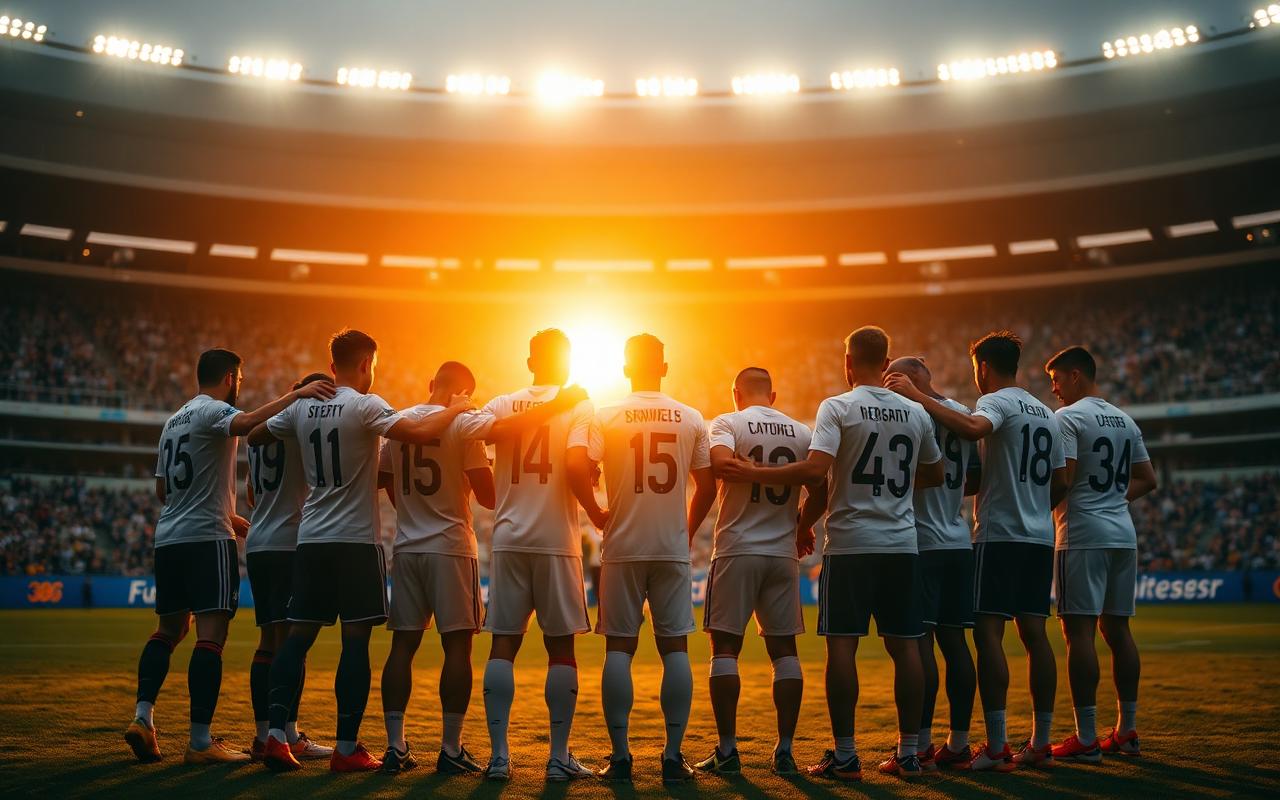
Team Analysis
The Underdog Story: How a Small Federation Reached the Quarter-Finals
A nation ranked outside the world's top thirty has reached the last eight. We explain how a long-term project finally bore fruit.
There is no shortage of underdog stories in World Cup history, but most of them are about a single hot streak, a goalkeeper standing on his head and a couple of fortunate refereeing decisions. The story unfolding at this tournament is different. The federation now sitting in the quarter-finals has been building toward this moment for the better part of a decade, and the success is structural rather than accidental.
The project began with a deliberate decision to centralise youth development around a single national training centre, with a curriculum based on a clear playing identity. The federation invested in coaching education rather than chasing high-profile imports, and over a period of years it produced a generation of domestic coaches who shared a tactical vocabulary and could move freely between age groups.
The senior team is the visible product of this work, but the more important effect is invisible. The under-17 and under-20 sides have qualified for global tournaments at an unprecedented rate, and the squad that has now reached the quarter-finals is built almost entirely on players who came through that pathway. The average age of the starting eleven is twenty-five, which suggests the project has not yet peaked.
The current head coach was an internal appointment, a former under-21 manager promoted on the recommendation of the technical director rather than because he had a glamorous club résumé. The decision was unpopular at the time and has aged remarkably well. He has applied the same tactical framework he used in the youth setup, and his players have arrived at the senior team already knowing the patterns he wants from them.
On the pitch, the system is unspectacular but effective. The team defends in a compact 4-4-2 medium block and attacks with a clearly rehearsed set of patterns, particularly down the right where their best player operates. They are not the most technical side in the tournament, and they are nowhere near the most expensive, but they are arguably the most coordinated, and at the highest level coordination is what wins matches.
Their results have followed an instructive pattern. They have not produced a single thrashing, and several of their wins have been by a single goal or on penalties. What they have done is avoid the kind of structural collapse that ends most tournament runs, and they have stayed within touching distance of opponents who, on paper, should have outplayed them. Cumulative resilience has carried them to the last eight.
The implications for the federation are substantial. Sponsorship interest has multiplied, the next generation of players have a tangible model to aspire to, and the technical director, who has spent years explaining the project to sceptical board members, has finally been vindicated in public. Whether or not the side goes any further, the medium-term effect on the country's football culture will be significant.
There is a wider lesson here for federations of similar size. The shortcut of importing a famous coach and hoping for a hot tournament has been tried many times, and it usually delivers a single quarter-final at best before the cycle resets. A patient, identity-driven project requires more time and more political courage, but the evidence on display this summer suggests the results last longer.
About the writer
Aisha Bello writes about international football for Pitchline. Their work covers tactical analysis, player development pathways and the cultural side of the global game.
More from Pitchline
 Team Analysis
Jun 13, 2026 · 7 min read
Host Nation, Heavy Pressure: Inside the Knockout Rounds
Playing every match in front of a partisan home crowd is supposed to be an advantage. We look at how it has actually played out.
 Team Analysis
Jun 1, 2026 · 8 min read
Generational Transition: How Europe's Giants Are Rebuilding
The traditional European powers are between cycles. We look at how three former champions are managing the difficult task of squad renewal.
 Team Analysis
May 18, 2026 · 7 min read
Inside Brazil's Squad: Depth, Doubts and the Search for a Number Nine
The most talented attacking pool in world football still has one unresolved question — and the answer may decide the tournament.