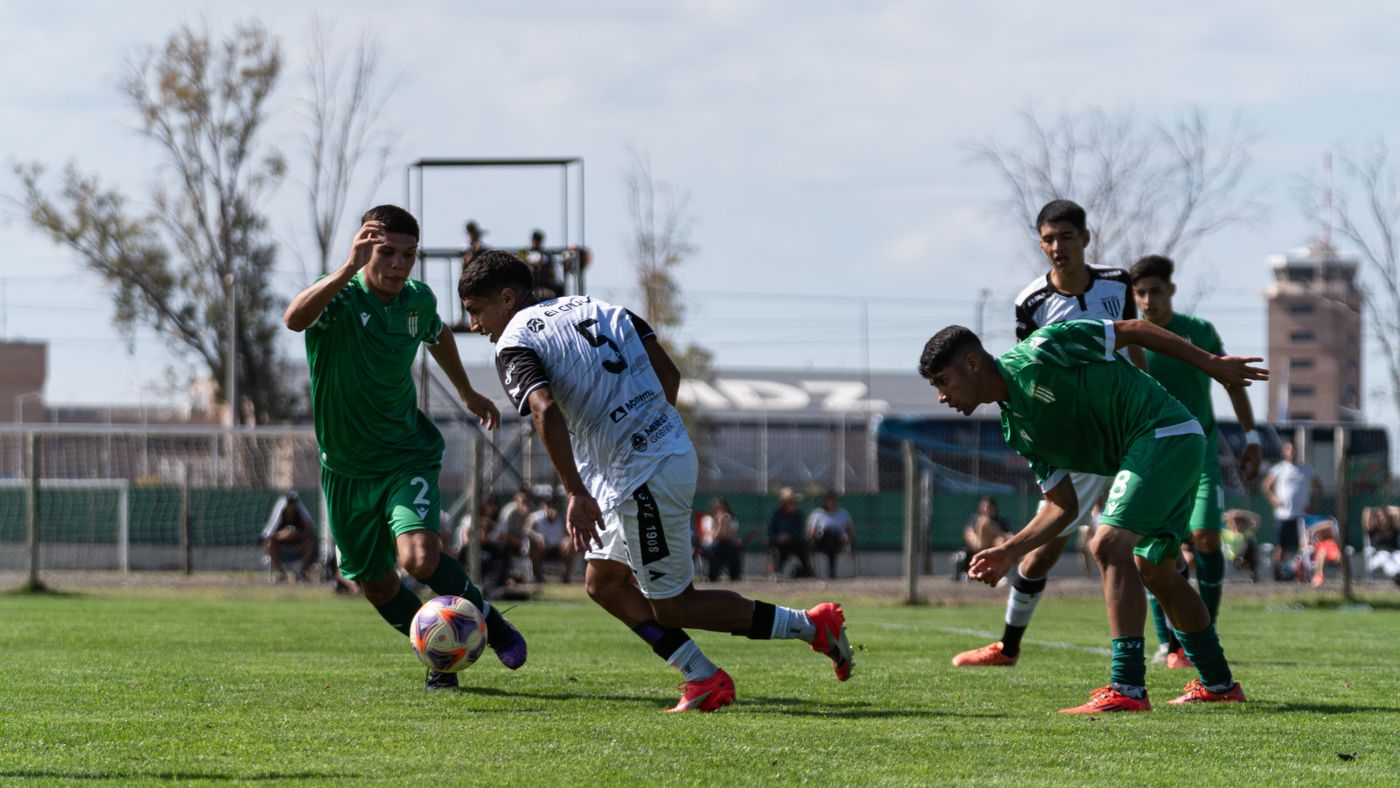
Features
Africa On The Rise: How Continental Football Has Caught Up
Multiple African sides have reached the knockout rounds with structured, modern football. A long-term continental project is finally being recognised.
For decades the narrative about African football at the World Cup was largely about potential. There were memorable individual matches, occasional quarter-final runs, and a steady flow of brilliant individual players, but the structural quality of continental football lagged behind what supporters knew it could be. This tournament has felt like the moment that conversation finally shifted.
Multiple African sides have reached the knockout rounds, and they have done so playing the kind of structured, modern football that until recently was associated almost exclusively with European national teams. The improvement is not coincidental. It is the visible result of long-term investment in coaching education, youth development and federation governance across several countries on the continent.
Coaching education is the foundation. Several federations have spent the past decade producing more domestically trained coaches at the highest licence levels, and the result is a generation of managers who share a tactical vocabulary and can move freely between age groups and clubs. The national teams in question are now coached by figures who came through these programmes, and the continuity is visible in the way the sides play.
Youth development has improved in parallel. Academy structures at the leading clubs in several major African leagues now meet international standards, and the partnerships with European clubs that previously meant losing the best fifteen-year-olds have evolved into more equitable arrangements that allow players to develop locally for longer. The pipeline is healthier than it has been at any point in the past twenty years.
Tactically the sides at this tournament have looked recognisably modern. The structures are coordinated, the pressing triggers are deliberate, and the build-up patterns are built around clear principles rather than individual improvisation. There has been less of the famous athletic dominance and more of the patient positional play that is harder to coach but more reliable in a tournament context.
There remain challenges, of course. The fixture calendar is still organised around European club football, and African players are still asked to travel further and recover faster than their European counterparts during international windows. The Africa Cup of Nations, scheduled in the middle of European seasons, creates friction with clubs that is unhelpful for everyone involved.
Federation governance is the other ongoing question. Some of the most talented African squads in recent decades have been undermined by administrative problems in the weeks leading up to major tournaments, and the federations that have done the best at this World Cup are those that have invested in basic operational competence. The lesson is not glamorous, but it is decisive.
What we are watching is the maturing of a continent's football culture, and the implications go well beyond a single tournament. The next generation of African players are growing up watching their own national teams play structured, modern football at the highest level, and they will arrive at academies in a few years with a different baseline of what is possible. The conversation about African football is changing, and this World Cup has been a clear marker on that journey.
About the writer
Aisha Bello writes about international football for Pitchline. Their work covers tactical analysis, player development pathways and the cultural side of the global game.
More from Pitchline
 Features
Jun 5, 2026 · 7 min read
The VAR Question: How Video Review Is Shaping This Tournament
Video review has decided more matches in the knockout round than ever before. We assess the controversies, the improvements and the open questions.
 Features
Jun 3, 2026 · 7 min read
The Evolving Identity of South American Football
The famous flair is still there, but it is now built on a foundation of pressing, structure and tactical discipline. A continent updates its game.
 Features
May 30, 2026 · 7 min read
Asian Football's Structural Progress and What Comes Next
The continent's leading sides have closed the gap on the traditional powers. A look at the federations driving the change and the work that remains.