Features
The Evolving Identity of South American Football
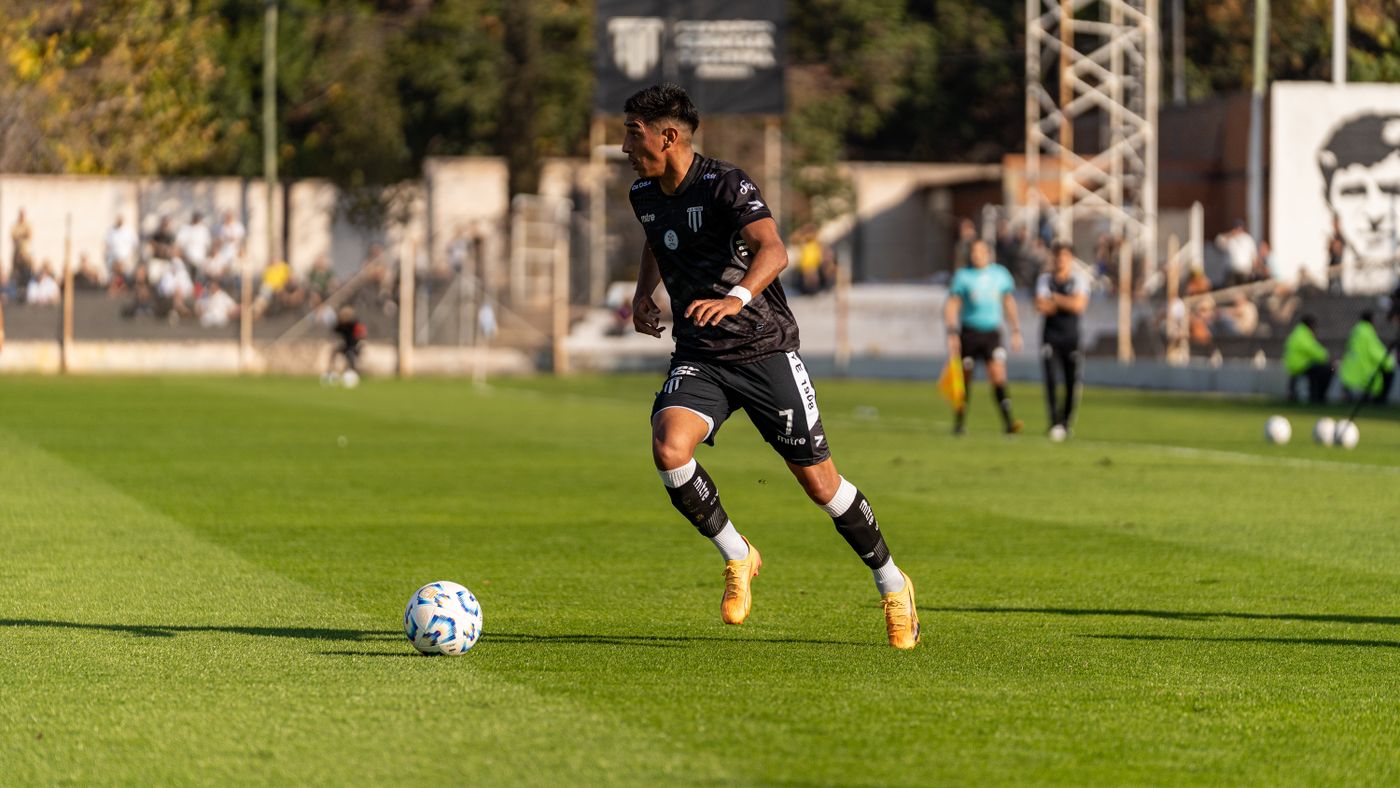
The famous flair is still there, but it is now built on a foundation of pressing, structure and tactical discipline. A continent updates its game.
The traditional caricature of South American football was always slightly unfair. It described a style built on individual brilliance, technical flair and a slight reluctance to engage with the more structured demands of modern tactics. There was always more to the picture than this, but the caricature contained enough truth to persist. This World Cup has been the clearest evidence yet that it no longer applies.
The leading South American sides at this tournament have arrived with the kind of tactical organisation that until recently was associated almost exclusively with European football. Pressing structures are coordinated, build-up patterns are deliberate, and the famous flair is now embedded within a framework rather than asked to substitute for one. The result is teams that are both more reliable and, paradoxically, more dangerous than their predecessors.
The shift owes a lot to the influence of European coaching education on South American managers. A generation of head coaches now hold the highest UEFA licences alongside their domestic qualifications, and several have spent significant time as assistants at major European clubs. They have brought back a tactical vocabulary that they have applied to a player pool whose technical baseline was already among the highest in the world.
The leading club competitions on the continent have evolved in parallel. The standard of coaching at major South American clubs is visibly higher than it was a decade ago, and the players arriving at European clubs from the continent now come tactically pre-formed in a way that they did not previously. The transition period between continents has shortened, which has consequences for transfer-market valuations.
What has been preserved through all of this is the underlying technical identity. South American football still produces players whose first touch and ball mastery are notably superior to almost any other region's, and the new structural discipline has been built around this strength rather than at the expense of it. The combination is potent, and several of the most attractive sides at this tournament have been South American.
Defensively the change is even more visible. Twenty years ago, South American back lines were often the weakest part of an otherwise gifted team. Today, several of the leading sides on the continent defend with a tactical maturity that matches anything on display from European opponents, and the centre-back position in particular has produced a number of high-profile transfers in recent windows.
There are, of course, regional differences. Not every South American federation has progressed at the same pace, and a couple of the more traditionally successful nations have struggled at this tournament, partly because of internal political problems and partly because the gap between their best generation and their current squad has been allowed to grow too large. The lesson is the same everywhere: continuous investment, or relegation in international standing.
What we are watching is the modernisation of a tradition. The famous attacking flair is still there, and the matches involving South American sides have produced some of the most entertaining football of the tournament, but it is now built on a foundation of pressing, structure and tactical discipline. The combination is what makes these teams genuinely dangerous in a knockout context.
About the writer
Marco Reinhardt writes about international football for Pitchline. Their work covers tactical analysis, player development pathways and the cultural side of the global game.
More from Pitchline
 Features
Jun 6, 2026 · 8 min read
Africa On The Rise: How Continental Football Has Caught Up
Multiple African sides have reached the knockout rounds with structured, modern football. A long-term continental project is finally being recognised.
 Features
Jun 5, 2026 · 7 min read
The VAR Question: How Video Review Is Shaping This Tournament
Video review has decided more matches in the knockout round than ever before. We assess the controversies, the improvements and the open questions.
 Features
May 30, 2026 · 7 min read
Asian Football's Structural Progress and What Comes Next
The continent's leading sides have closed the gap on the traditional powers. A look at the federations driving the change and the work that remains.