Features
Asian Football's Structural Progress and What Comes Next
The continent's leading sides have closed the gap on the traditional powers. A look at the federations driving the change and the work that remains.
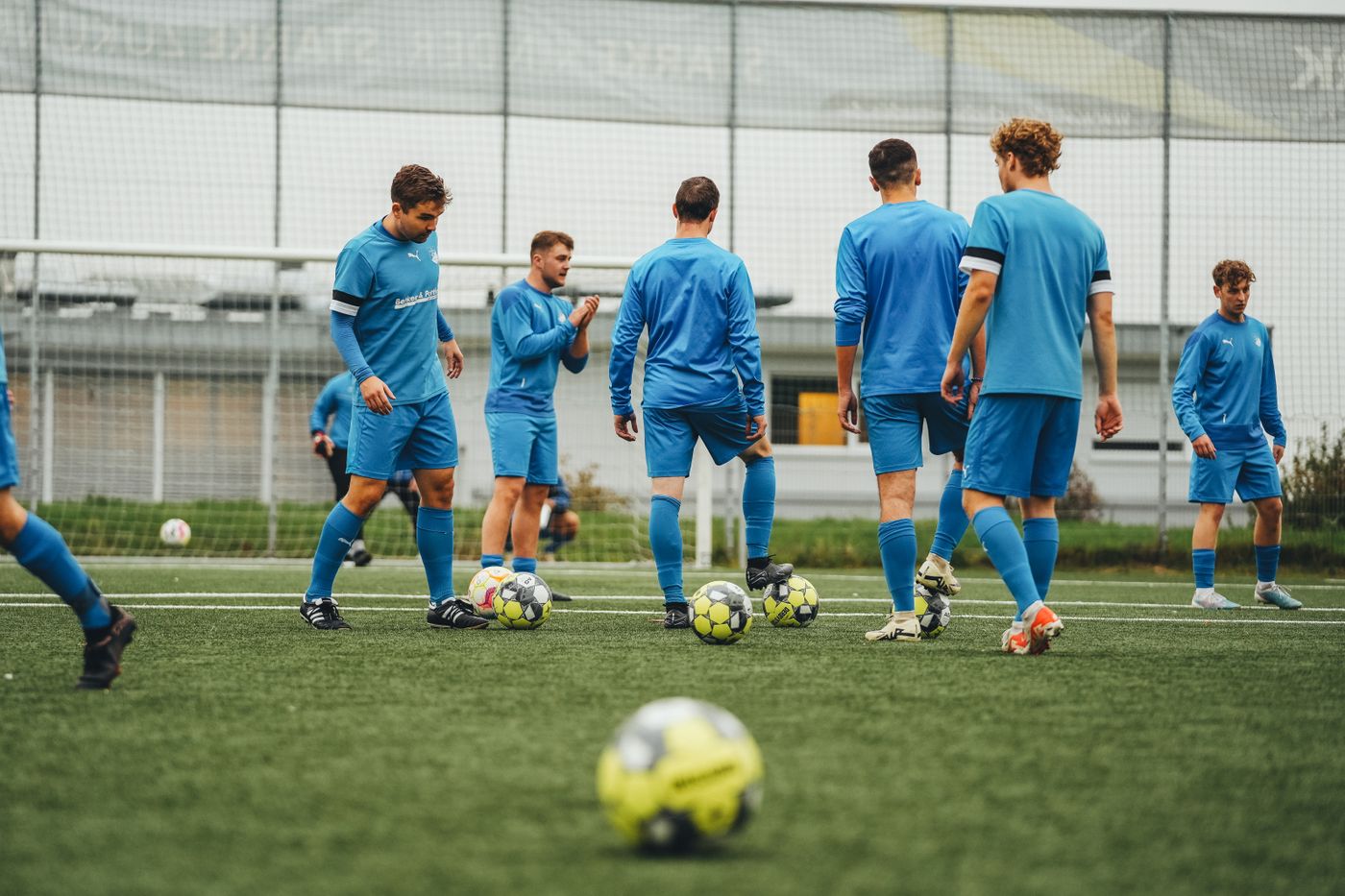
Asian football has spent two decades narrowing the gap with the traditional powers, and at this World Cup the gap has, in places, effectively closed. The leading sides from the continent have produced performances and results that would have been remarkable a single cycle ago and that now feel within the normal range of expectation. The structural changes behind this progress deserve closer examination.
Investment is the obvious starting point. Several Asian federations have spent considerable sums on infrastructure, coaching education and league professionalisation over the past fifteen years, and the cumulative effect is visible. The leading domestic leagues on the continent are no longer development environments for a small number of talented players; they are professional competitions of a standard that produces national-team-ready footballers in significant numbers.
Coaching education has been a particular focus. The number of Asian-born coaches holding the highest international licences has grown substantially, and several federations have built dedicated technical-director offices charged with maintaining a consistent playing identity across age groups. The national teams at this tournament are the visible product of this work, and the continuity in their tactical principles is evident.
Player development pathways have improved in parallel. The traditional model, in which the most talented teenagers were sent to European clubs at the earliest opportunity and largely lost to the domestic system, has been complemented by stronger domestic academies that allow players to develop locally for longer. The result is national-team players who arrive at European clubs older, more tactically mature, and more likely to succeed.
Tactically the leading Asian sides have embraced modern coordinated systems. The famous defensive discipline that historically defined the continent's football is still present, but it is now combined with build-up patterns and pressing structures that match what is on display from European opponents. The teams are no longer defined by what they cannot do; they are defined by what they choose to do.
There is still work to be done. The competition between leagues for talent has produced some salary inflation that smaller clubs find difficult to manage, and the federation governance in several countries remains less professional than the on-pitch performance might suggest. The next generation of administrative leaders will need to address these challenges if the upward trajectory is to continue.
There is also a need for a deeper pool of elite-level managers. Many of the strongest Asian national teams at this tournament are coached by figures from outside the region, and while these appointments have often produced good results, the medium-term ambition should be to develop a sufficient pool of native coaches to staff the top jobs without resorting to imports. That work is under way, but it will take time to bear fruit.
What this tournament confirms is that Asian football is no longer playing catch-up. The leading sides on the continent are now genuine contenders in the knockout rounds, and the conversation has shifted from whether they can reach this stage to what they need to do to win it. The next cycle will be decisive, and the federations that maintain their investment will reap the rewards.
About the writer
Aisha Bello writes about international football for Pitchline. Their work covers tactical analysis, player development pathways and the cultural side of the global game.
More from Pitchline
 Features
Jun 6, 2026 · 8 min read
Africa On The Rise: How Continental Football Has Caught Up
Multiple African sides have reached the knockout rounds with structured, modern football. A long-term continental project is finally being recognised.
 Features
Jun 5, 2026 · 7 min read
The VAR Question: How Video Review Is Shaping This Tournament
Video review has decided more matches in the knockout round than ever before. We assess the controversies, the improvements and the open questions.
 Features
Jun 3, 2026 · 7 min read
The Evolving Identity of South American Football
The famous flair is still there, but it is now built on a foundation of pressing, structure and tactical discipline. A continent updates its game.