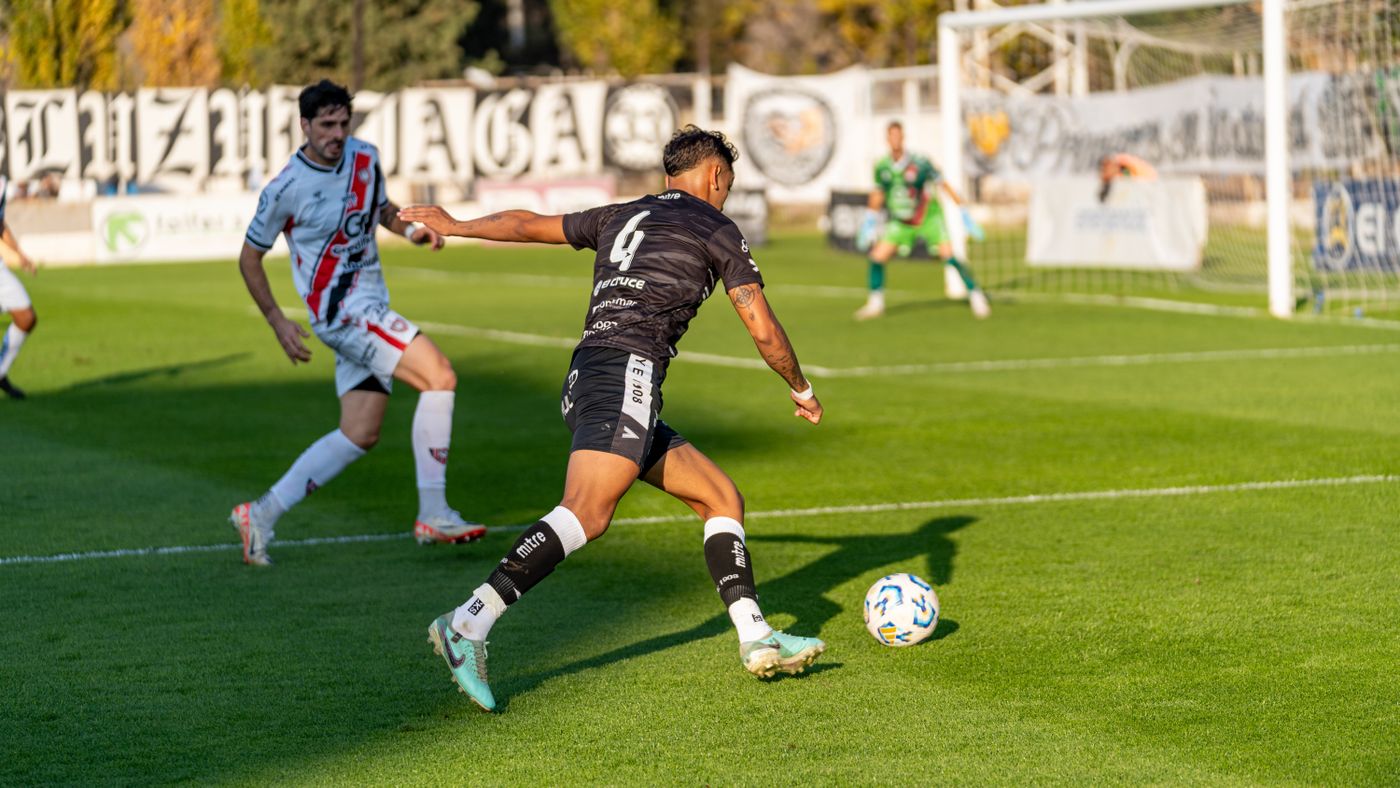
Features
Behind the Scenes: How a World Cup Stadium Goes From Concept to Match Day
Inside the years of planning that produce ninety minutes of football. A look at one of the venues that will host the 2026 tournament.
A World Cup match lasts ninety minutes. The preparation for that match, at the venue where it is played, begins more than five years before the first whistle. This piece offers a look at the planning, construction and operational work that goes into preparing a single stadium for the 2026 World Cup, drawing on conversations with planning staff, federation representatives and the venue management team at one of the host facilities. Names and identifying details have been omitted to allow the staff involved to speak openly about what the process actually entails.
The bid process for the tournament began in 2018, with the host selection finalized in 2018 and the specific stadium allocations confirmed in 2022. Each venue had to demonstrate compliance with a long list of FIFA requirements covering everything from pitch dimensions to broadcast facility specifications to spectator amenities. The compliance documentation alone runs to hundreds of pages per venue, and the iterative process of submission, feedback and revision typically takes eighteen months to complete.
Pitch construction is the most-discussed element of stadium preparation, and at venues that normally host American football or other sports, the work has involved building entirely new playing surfaces specifically for the World Cup matches. The grass species, the drainage systems, the irrigation schedules and the temperature management protocols are all calibrated to FIFA specifications that have been refined through the previous tournament cycles. The pitch at the venue this piece is based on was installed in stages over the eighteen months before the tournament, with multiple test matches scheduled to allow the grounds staff to identify and resolve issues before the live competition began.
The broadcast infrastructure is the most invisible element of the preparation and arguably the most complex. Each match is filmed by between twenty and thirty cameras, with audio captured by microphones distributed throughout the stadium and along the touchlines. The signal is processed in mobile production units that are deployed at each venue and that connect to the global broadcast distribution through fiber optic links that have been installed specifically for the tournament. The wiring alone runs to hundreds of miles per stadium, and the testing process to ensure signal integrity takes weeks.
Security planning is the area that has expanded most significantly between the 2018 World Cup in Russia and the 2026 tournament in North America. Each venue has worked with local, regional and federal law enforcement to develop protocols that cover everything from accreditation systems for staff and media to crowd management procedures inside and outside the stadium to emergency response plans for events that the planning staff sincerely hope never to need. The protocols are tested through tabletop exercises and live drills, several of which involve hundreds of personnel and multiple agencies.
Spectator experience receives less public attention but represents a significant portion of the operational work. The food and beverage operation, the merchandise distribution, the wayfinding signage in multiple languages, the public transit coordination that brings supporters to and from the venue, and the cleaning and turnaround protocols between matches all require specific planning. At the venue this piece is based on, the operational staff during a match day numbers more than two thousand people, including the venue's regular employees, additional personnel hired specifically for the tournament, and volunteers recruited through the FIFA volunteer program.
The volunteers deserve specific mention. Each venue has approximately five hundred volunteer positions, ranging from information desk staff to language assistance for visiting supporters to logistical support for the broadcast operation. The selection process is competitive, with applications typically exceeding open positions by ten to one or more. The training, which takes place in multiple sessions over the months before the tournament, covers FIFA protocols, venue-specific procedures and the cultural expectations of an event that brings together supporters from more than forty different national federations.
Match day itself is the most-rehearsed part of the entire process. The schedule begins eight hours before kickoff with pitch inspection and final equipment checks. Players arrive approximately ninety minutes before the match. The warm-up sequence, the team announcements, the broadcast handover and the pre-match ceremony all run on a schedule that is timed to the second. The kickoff happens. Ninety minutes later, the match ends. The post-match work, which includes interviews, broadcast packaging, cleaning, security sweep and transition planning for the next event, takes another six hours. By the time the staff leaves the venue, the people who watched the match at home have already moved on to the next match in the schedule. The work that produced those ninety minutes is, by design, invisible to most of the people who consumed them. This piece is an attempt to make a small portion of it visible.
About the writer
Editorial Team writes about international football for Pitchline. Their work covers tactical analysis, player development pathways and the cultural side of the global game.
More from Pitchline
 Features
Jun 6, 2026 · 8 min read
Africa On The Rise: How Continental Football Has Caught Up
Multiple African sides have reached the knockout rounds with structured, modern football. A long-term continental project is finally being recognised.
 Features
Jun 5, 2026 · 7 min read
The VAR Question: How Video Review Is Shaping This Tournament
Video review has decided more matches in the knockout round than ever before. We assess the controversies, the improvements and the open questions.
 Features
Jun 3, 2026 · 7 min read
The Evolving Identity of South American Football
The famous flair is still there, but it is now built on a foundation of pressing, structure and tactical discipline. A continent updates its game.