Features
The Global Game: How Women's Football's Momentum Is Reshaping the Sport
The investment, the audience growth and the structural changes that mean women's football is no longer a side story in global discussions of the sport.
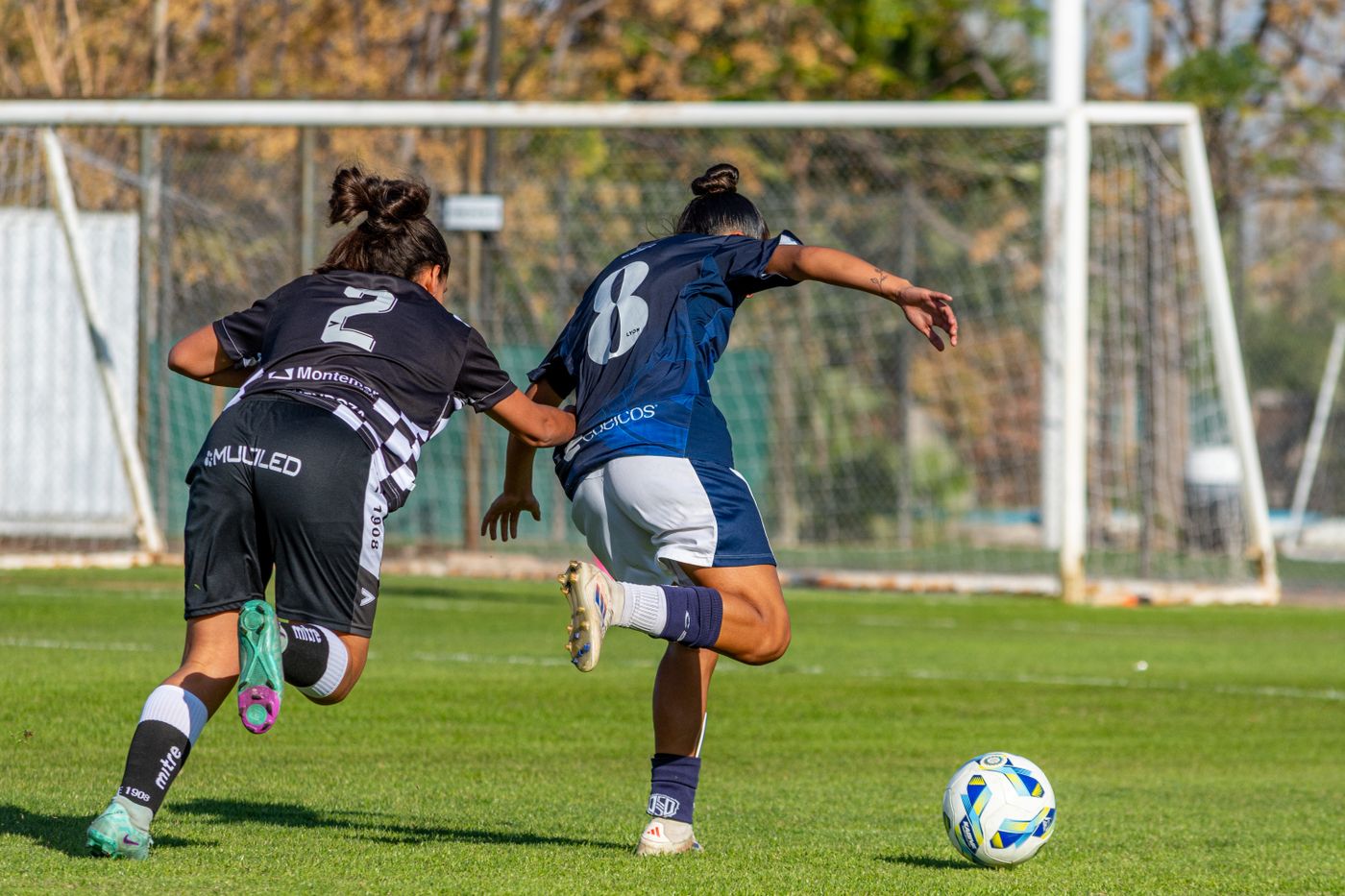
Discussions of global football used to treat the women's game as a separate, smaller story, covered in dedicated sections and largely absent from the main strategic conversations. That is no longer the case. The growth in audience, investment and structural quality on the women's side of the game has been one of the defining sporting stories of the past decade, and any serious analysis of where football is heading has to take it into account.
The audience numbers tell part of the story. Major women's international tournaments now attract broadcast figures that would have been considered ambitious for men's club football a decade ago, and the engagement on digital platforms is growing at a rate that easily outpaces the men's game. Sponsors have noticed, and the commercial revenue available to leading federations and clubs on the women's side has roughly tripled across the past two cycles.
Investment has flowed accordingly. The leading domestic leagues have professionalised at a pace that few observers predicted, and the standard of facilities, coaching and sports science available to top players is now broadly comparable with that of mid-tier men's clubs. The gap that remains is shrinking, and the federations that have invested earliest are seeing the largest competitive returns.
Player development pathways have evolved as well. Academy structures dedicated to female players are now standard at most major clubs across the leading leagues, and the days when promising teenage players had to fight for limited training spots within boys' academies are largely behind us. The result is a steady increase in the technical baseline of incoming professionals, which in turn raises the quality of the senior game.
The structural changes have also brought new challenges. The growth of the calendar has produced the same kind of fixture-congestion concerns that have long affected the men's game, and the players' associations on the women's side have begun to raise concerns about workload that mirror the discussions happening in the men's game. The solutions will require coordination between leagues, federations and the global governing body.
Commercially, the women's game has had to navigate a difficult transition from grant-funded development model to genuinely market-based revenue generation. The leading leagues have largely managed this transition successfully, but the second-tier competitions are still finding their way, and the sustainability of the current investment levels is a question that will need to be answered in the next cycle.
What is no longer in dispute is the cultural place of the women's game. Major tournaments are covered as front-page sporting news in most leading football nations, and the players have become genuine global stars in a way that simply was not true a decade ago. The next generation of girls growing up wanting to play football have role models whose visibility now matches their talent.
The implications for the sport as a whole are significant. The growth of women's football has effectively expanded the global audience for the game, brought new commercial partners into the ecosystem, and forced governance reforms that benefit football across both sides of the game. Treating the women's game as a side story is no longer just unfair; it is also analytically incorrect. The future of football includes both halves of the sport, and the leading federations are finally building around that reality.
About the writer
Aisha Bello writes about international football for Pitchline. Their work covers tactical analysis, player development pathways and the cultural side of the global game.
More from Pitchline
 Features
Jun 6, 2026 · 8 min read
Africa On The Rise: How Continental Football Has Caught Up
Multiple African sides have reached the knockout rounds with structured, modern football. A long-term continental project is finally being recognised.
 Features
Jun 5, 2026 · 7 min read
The VAR Question: How Video Review Is Shaping This Tournament
Video review has decided more matches in the knockout round than ever before. We assess the controversies, the improvements and the open questions.
 Features
Jun 3, 2026 · 7 min read
The Evolving Identity of South American Football
The famous flair is still there, but it is now built on a foundation of pressing, structure and tactical discipline. A continent updates its game.