Tactics
The Goalkeeper Revolution: Why Modern Number Ones Are Outfield Players
Today's elite goalkeepers complete more passes than some midfielders. We explain the technical and tactical shift behind the modern keeper.
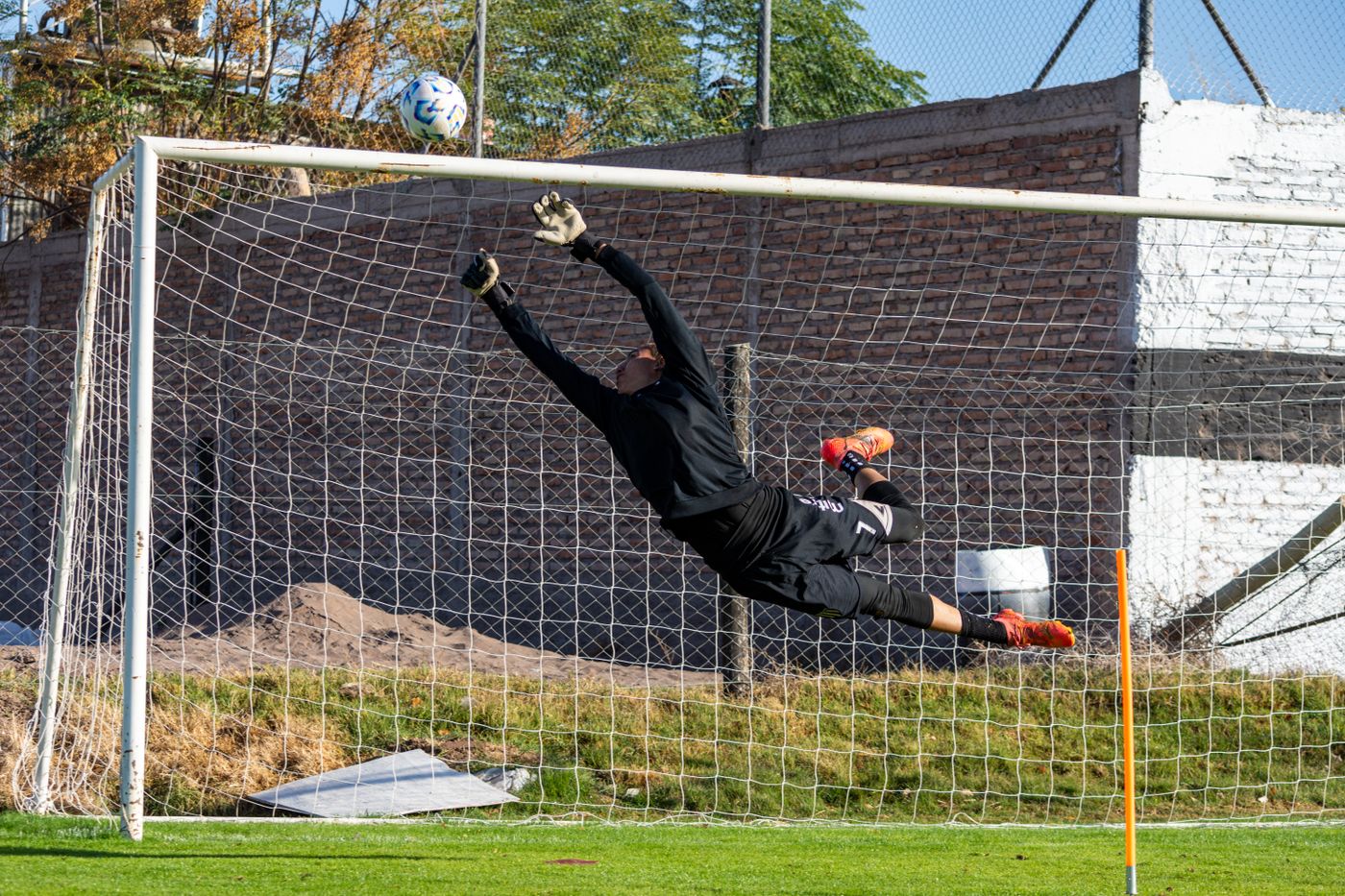
Twenty years ago, a goalkeeper's job description was straightforward. He was expected to stop shots, claim crosses, organise his defence and, when in possession, kick the ball as far up the pitch as possible. The modern job description bears almost no resemblance. Today's elite keepers are expected to participate in build-up like an additional defender, regularly complete passes into central midfield, and act as the first organiser of a high defensive line.
The shift has happened quickly enough that even attentive fans sometimes underestimate its scale. At this World Cup, several first-choice goalkeepers are completing more than forty passes per game, and a meaningful percentage of those passes are line-breaking deliveries into the opposition half. Twenty years ago, those numbers would have been unimaginable from the position.
The tactical reason for the change is the rise of high pressing. When opponents commit forwards to pressing a back four, the most reliable way to relieve pressure is to involve the goalkeeper as a numerical reference. He gives the defenders a permanent free man, and his presence in build-up forces the opposing strikers to make difficult decisions about whether to commit to pressing him or hold their shape.
Doing this well requires a specific technical profile. The keeper must be comfortable receiving the ball with either foot, must be able to take a first touch under direct pressure from an onrushing forward, and must be able to identify the correct pass under time constraints that are tighter than those facing any outfield player. Some of the most expensive transfers of recent years have been for keepers with exactly these qualities.
The risks, of course, are visible. A goalkeeping mistake in possession is more punishing than any other error on the pitch, and several of the most replayed moments of the tournament have featured keepers losing the ball in dangerous areas. Coaches accept this risk because the structural benefits of involving the keeper outweigh the occasional cost, but the trade-off is genuine.
Training methods have evolved to match. Modern goalkeeper coaches spend a significant proportion of their sessions on outfield-style passing drills, and the best keepers at this tournament have backgrounds that include serious outfield experience as juniors. The position is no longer a specialised silo, and the pathway into it now resembles the pathway into central defence more than it used to.
There are wider implications for how teams build their squads. The decision to play a sweeper-keeper allows a coach to position his defensive line ten or fifteen metres higher than would otherwise be safe, which in turn compresses the playing area and makes pressing more effective. Almost every major tactical innovation of the past decade has been enabled, in some way, by changes in goalkeeping.
What we are watching, in short, is the maturation of a position. The goalkeeper used to be the player you noticed only when something went wrong. He is now, at the highest level, one of the most influential figures in any build-up sequence, and the conversation about who the best keepers in the world are has shifted accordingly. Saves still matter, but they are no longer the only criterion.
About the writer
David Kowalski writes about international football for Pitchline. Their work covers tactical analysis, player development pathways and the cultural side of the global game.
More from Pitchline
 Tactics
Jun 18, 2026 · 10 min read
The Tactical Evolution: How Modern Pressing Has Rewritten International Football
International football has finally caught up with the club game. We explain the pressing structures that have defined this World Cup.
 Tactics
Jun 10, 2026 · 6 min read
Set Pieces Are Deciding This World Cup. Here Is Why.
More than a third of all goals in the knockout stage have come from dead-ball situations. We break down the patterns and the specialists.
 Tactics
Jun 8, 2026 · 7 min read
Midfield Control: The Quiet Return of the Deep-Lying Playmaker
The number six has been declared dead more than once. Why the position is suddenly central again at the highest level of international football.