Tactics
Set Pieces Are Deciding This World Cup. Here Is Why.
More than a third of all goals in the knockout stage have come from dead-ball situations. We break down the patterns and the specialists.
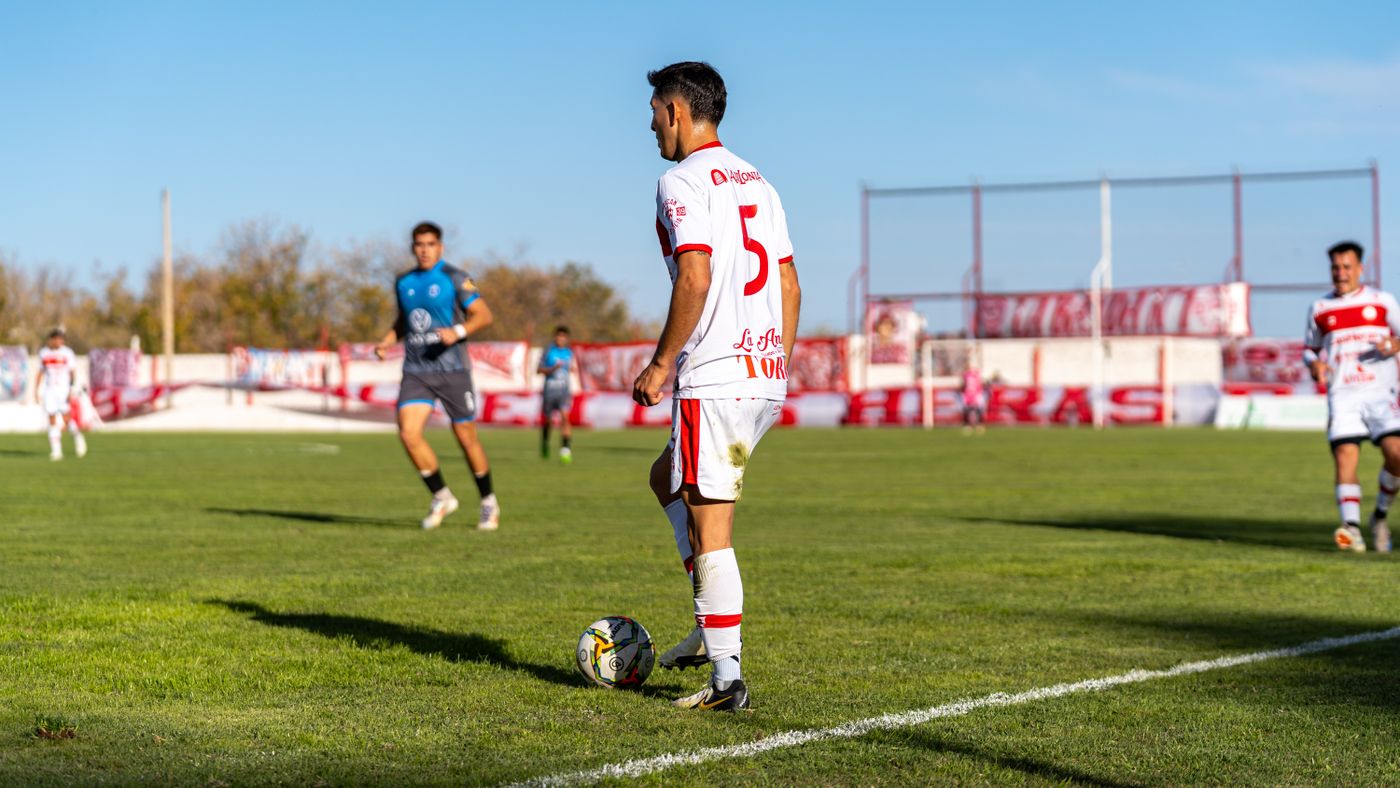
Tactical fashions in football come and go, but set pieces never really leave. Every few years they re-emerge as a decisive factor in major tournaments, and this World Cup has been the most set-piece-dominated competition in recent memory. By the end of the round of sixteen, more than a third of all goals had originated from a dead-ball situation, and several elimination matches have been settled by a single rehearsed corner routine.
The explanation begins with preparation. International windows are short and the time available for tactical work is limited, but set pieces can be drilled in a single session and refined in another. A coaching staff that invests in this area can reasonably expect to gain a goal or two per tournament, which is a substantial return on a relatively small time investment.
The patterns themselves have evolved. Direct deliveries into the six-yard box, which dominated set-piece play for decades, are now relatively rare at the highest level. Modern routines tend to involve at least one decoy runner, a blocker who occupies a defender legally without making contact, and a delivery aimed at a specific zone rather than a specific player. Several goals this tournament have come from corners that targeted areas rather than people.
Set-piece coaches, once a rarity, are now standard at almost every elite team and at most of the better-resourced national federations. The role has produced its own specialists, and a small number of names have become highly sought after as consultants. The investment has paid off visibly at this tournament, with the teams employing dedicated set-piece staff producing measurably better expected-goal numbers from dead-ball situations.
Defending set pieces has lagged slightly behind. Many sides still use traditional man-marking systems, and the better-prepared attacking teams have exploited this with movement patterns designed to drag markers out of position. The shift to zonal defending, which is well established at club level, has not yet fully penetrated international football, and the teams that have made the switch have benefited.
Long throw-ins, which had largely disappeared from the elite game, have reappeared as a deliberate tactical weapon for several sides. The reasoning is simple: a long throw produces the same kind of contested aerial situation as a corner but with the advantage that the offside rule does not apply. Two goals at this tournament have come directly from carefully rehearsed long-throw routines.
Free kicks remain the most player-dependent part of set-piece play. A handful of specialists at this tournament have produced direct free-kick goals from distances that most professionals would not attempt, and these moments have a disproportionate effect on tournament narratives. There is no real coaching shortcut here; either you have a player who can strike a dead ball at this level or you do not.
What this World Cup demonstrates is that set pieces are no longer a secondary part of the game. They are a measurable, repeatable source of goals, and the teams that invest in them gain a clear edge in tournaments where games are tight and small margins decide knockout rounds. The next generation of coaches will treat this area with the seriousness it now demands.
About the writer
Jonas Bauer writes about international football for Pitchline. Their work covers tactical analysis, player development pathways and the cultural side of the global game.
More from Pitchline
 Tactics
Jun 18, 2026 · 10 min read
The Tactical Evolution: How Modern Pressing Has Rewritten International Football
International football has finally caught up with the club game. We explain the pressing structures that have defined this World Cup.
 Tactics
Jun 11, 2026 · 7 min read
The Goalkeeper Revolution: Why Modern Number Ones Are Outfield Players
Today's elite goalkeepers complete more passes than some midfielders. We explain the technical and tactical shift behind the modern keeper.
 Tactics
Jun 8, 2026 · 7 min read
Midfield Control: The Quiet Return of the Deep-Lying Playmaker
The number six has been declared dead more than once. Why the position is suddenly central again at the highest level of international football.