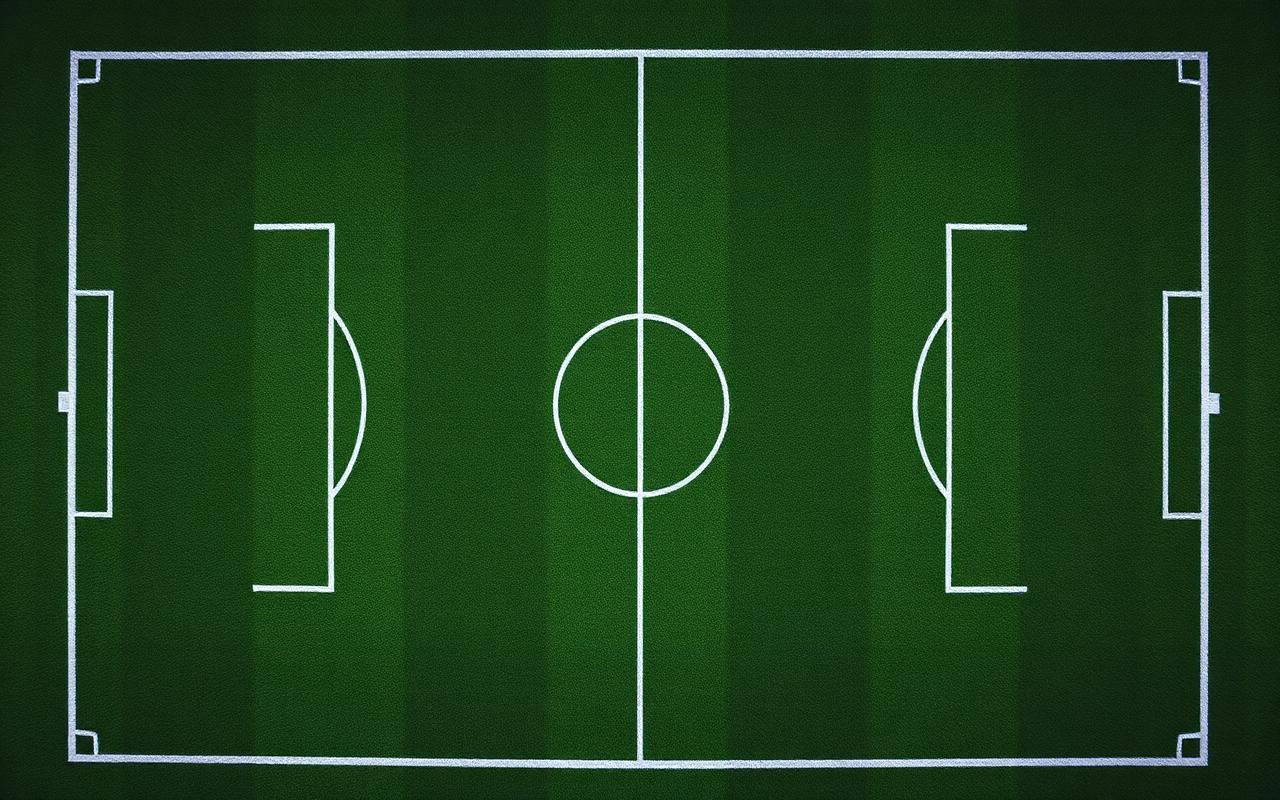
Tactics
The Tactical Evolution: How Modern Pressing Has Rewritten International Football
International football has finally caught up with the club game. We explain the pressing structures that have defined this World Cup.
For years the standard criticism of international football was that it lagged behind the club game. National teams trained together too rarely to install the kind of coordinated pressing systems that had become standard at elite clubs, and most major tournaments featured a tactical level closer to the late 2000s than to the present day. That gap has now visibly closed, and this tournament is the proof.
The pressing structures on display in the knockout rounds would not look out of place at any of the top six clubs in any of the major European leagues. Coaches have begun trusting their players to execute coordinated traps in specific areas of the pitch, with carefully rehearsed triggers and clear individual responsibilities. The patterns are recognisable not just to coaches but, increasingly, to attentive fans.
The most common modern structure is the so-called four-two box, in which the two strikers cover the opposition's centre-backs and the two number eights press the deepest midfielder from either side. The intention is not necessarily to win the ball in that initial wave but to force a predictable pass into a wide area where the next trap can be sprung. Several sides have used this structure to devastating effect in the group stage.
A second common pattern, often deployed against teams who build with a back three, is the asymmetric press in which one winger steps onto a wide centre-back while the opposite winger drops to form a temporary back four. It looks unusual on a team sheet but flows naturally on the pitch, and it allows a side to remain compact even while pressing aggressively in the opposition half.
What has changed most, however, is not the structures themselves but the conditioning required to maintain them. Modern players can sustain a high-intensity press for ninety minutes in a way that was simply not possible a decade ago, and the sports science staff who have made that possible deserve more credit than they usually receive. The shift is partly genetic selection and partly years of dedicated work.
Defending against the modern press has produced its own innovations. The inverted full-back, in which a wide defender drifts into central midfield in possession, is now standard at the highest level. So is the use of a goalkeeper as a genuine outfield player in build-up, with several keepers at this tournament completing more long-range passes than some of their centre-backs.
There are limits to this evolution. Pressing requires fitness, and fitness requires recovery time, which is in short supply during a congested World Cup schedule. Several sides who pressed beautifully in the group stage have visibly tired in the knockouts, and the eventual winners may well be the team that best manages its physical resources rather than the one with the most spectacular system.
What is clear is that the conversation about international football has changed. We no longer have to apologise for the tactical quality on display. The best games at this tournament have featured the kind of structured football that would be a credit to any club season, and the next generation of coaches will inherit a baseline that is substantially higher than the one their predecessors started from.
About the writer
David Kowalski writes about international football for Pitchline. Their work covers tactical analysis, player development pathways and the cultural side of the global game.
More from Pitchline
 Tactics
Jun 11, 2026 · 7 min read
The Goalkeeper Revolution: Why Modern Number Ones Are Outfield Players
Today's elite goalkeepers complete more passes than some midfielders. We explain the technical and tactical shift behind the modern keeper.
 Tactics
Jun 10, 2026 · 6 min read
Set Pieces Are Deciding This World Cup. Here Is Why.
More than a third of all goals in the knockout stage have come from dead-ball situations. We break down the patterns and the specialists.
 Tactics
Jun 8, 2026 · 7 min read
Midfield Control: The Quiet Return of the Deep-Lying Playmaker
The number six has been declared dead more than once. Why the position is suddenly central again at the highest level of international football.