Features
Saudi Pro League, Three Years On: What the Investment Has Actually Built
The headlines have quieted. The infrastructure remains. A measured look at what Saudi Arabia's football project has produced.
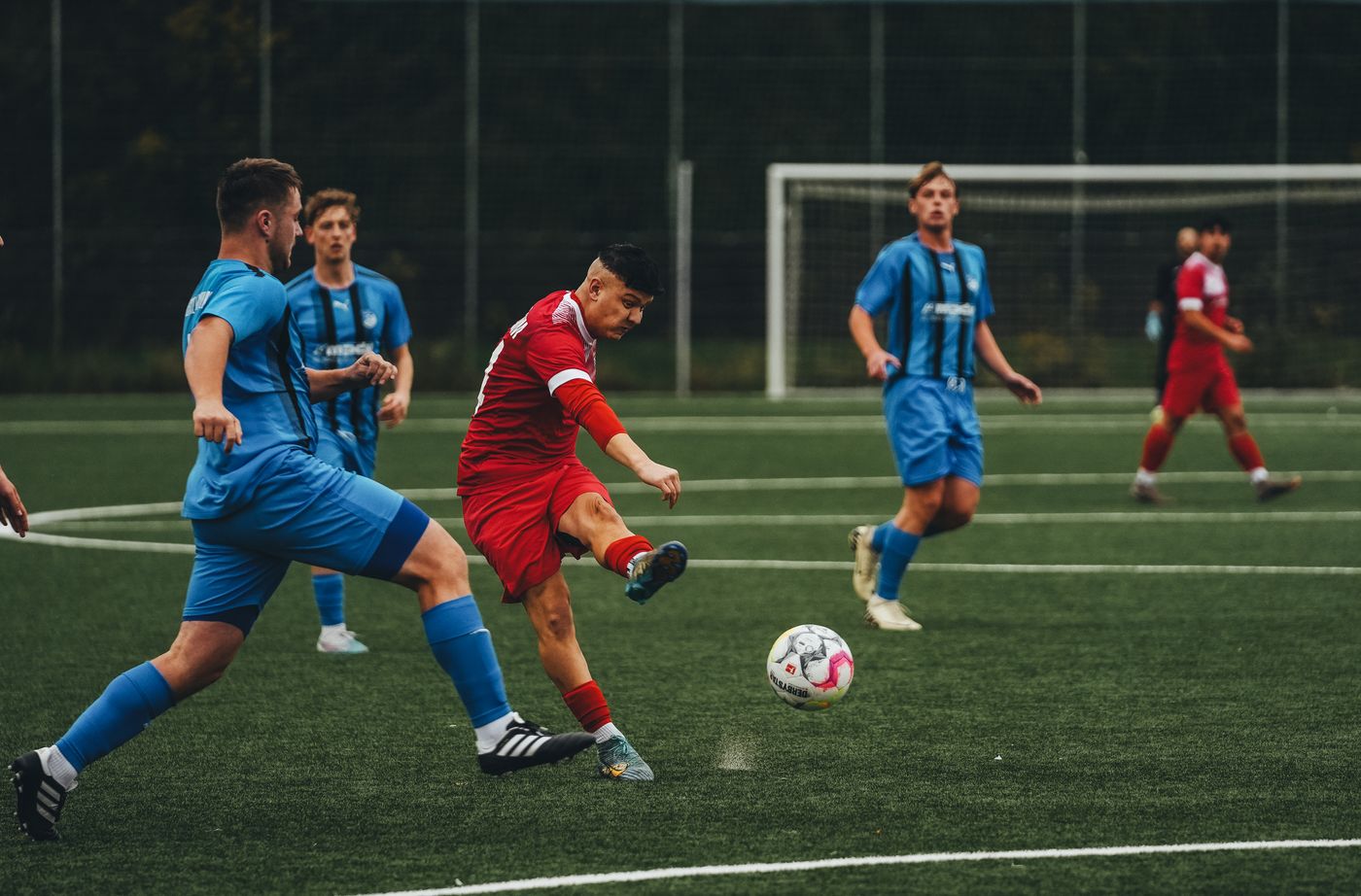
The Saudi Pro League's transformative summer occurred in 2023. Cristiano Ronaldo had arrived the previous January. The summer window that followed brought Neymar, Karim Benzema, N'Golo Kanté, Riyad Mahrez, Sadio Mané and Roberto Firmino to the league, along with dozens of other players whose moves received less attention but whose collective effect was to reshape global football's transfer market. Three years later, the dust has settled. The headlines have quieted. The league exists at a different scale than it did before the spending began, and the long-term implications are starting to come into focus.
The immediate criticism of the project, that it represented sportswashing and that the on-field football would be uncompetitive once the novelty wore off, has been partly validated and partly rejected by subsequent events. The league's overall quality has improved measurably from the pre-2023 baseline. The four clubs owned by the Public Investment Fund have invested in coaching, scouting and infrastructure in ways that have produced sustainable improvements. The other clubs in the league have benefited from the rising tide, with several of them now able to compete with the PIF-owned sides in domestic matches.
The Champions League equivalent of Asian club football, the AFC Champions League Elite, has been the visible test of the project's competitive ambitions. Al Hilal reached the final of the 2024-25 edition before losing to Yokohama F. Marinos in a result that the Saudi football press treated as a setback but that observers outside the country regarded as confirmation that the league had become genuinely competitive at the continental level. The 2025-26 edition is still in progress, and Al Hilal, Al Ittihad and Al Nassr are all likely to reach the knockout rounds.
Player retention has been the project's quieter challenge. Several of the high-profile signings from 2023 have either returned to European football or moved to other Saudi clubs in adjustments that suggest the initial recruitment was not always strategic. Roberto Firmino's departure to a Premier League club after a season at Al Ahli was framed in the European press as evidence of the league's instability. The Saudi response, that the player's preferences had shifted and that the league had benefited from his presence regardless of the duration, was reasonable but did not entirely dispel the narrative.
The treatment of younger Saudi players has been the metric that the project's defenders have most consistently emphasized. The league's rules on foreign players have been adjusted to require minimum participation by domestic players, and the youth development structures have received funding that has produced visible improvements. The national team's qualification for the 2026 World Cup, achieved with a squad that contained several genuinely high-quality young Saudi players, was the most concrete validation of the developmental claim. The squad will arrive in North America with realistic ambitions of reaching the knockout rounds, an outcome that would have been considered unlikely as recently as 2022.
The economic sustainability of the project remains the question that observers have not been able to answer definitively. The PIF's investment is significant but not unlimited, and the league's revenue streams from broadcasting, sponsorship and matchday have grown but have not yet reached the levels that would support the spending without continued external subsidy. The league's leadership has been open about the long-term ambition of self-sustainability, and the timeline they have indicated publicly is approximately ten years from the start of the investment. Three years in, the trajectory appears to be roughly on schedule.
The European reaction has evolved. The initial concern about a transfer market dominated by Saudi spending has been replaced by a more nuanced view that recognizes the league's role in the global ecosystem without treating it as an existential threat to the European pyramid. Several European clubs have established formal relationships with Saudi sides, including loan arrangements and coaching exchanges, and the financial returns from selling players to the Saudi market have helped balance the books at clubs across the continent. The relationship is not without tension, but it is functioning more practically than the rhetoric of 2023 suggested it would.
The 2026 World Cup will be the next moment when the Saudi football project is examined publicly. The national team's performance, the visibility of the players who have been developed within the domestic league, and the broader story of how the country represents itself on the global stage will all be factors. The Saudi 2034 World Cup hosting decision, confirmed in late 2024, has added an additional dimension to the conversation. The project has changed in three years from a moment of disruption to a sustained presence whose long-term effects are still being measured. The next decade will determine whether the investment produces the kind of footballing culture that justifies the resources committed to it.
About the writer
Helen Marsh writes about international football for Pitchline. Their work covers tactical analysis, player development pathways and the cultural side of the global game.
More from Pitchline
 Features
Jun 6, 2026 · 8 min read
Africa On The Rise: How Continental Football Has Caught Up
Multiple African sides have reached the knockout rounds with structured, modern football. A long-term continental project is finally being recognised.
 Features
Jun 5, 2026 · 7 min read
The VAR Question: How Video Review Is Shaping This Tournament
Video review has decided more matches in the knockout round than ever before. We assess the controversies, the improvements and the open questions.
 Features
Jun 3, 2026 · 7 min read
The Evolving Identity of South American Football
The famous flair is still there, but it is now built on a foundation of pressing, structure and tactical discipline. A continent updates its game.